

Why Dilate Pupils for Eye Exams?
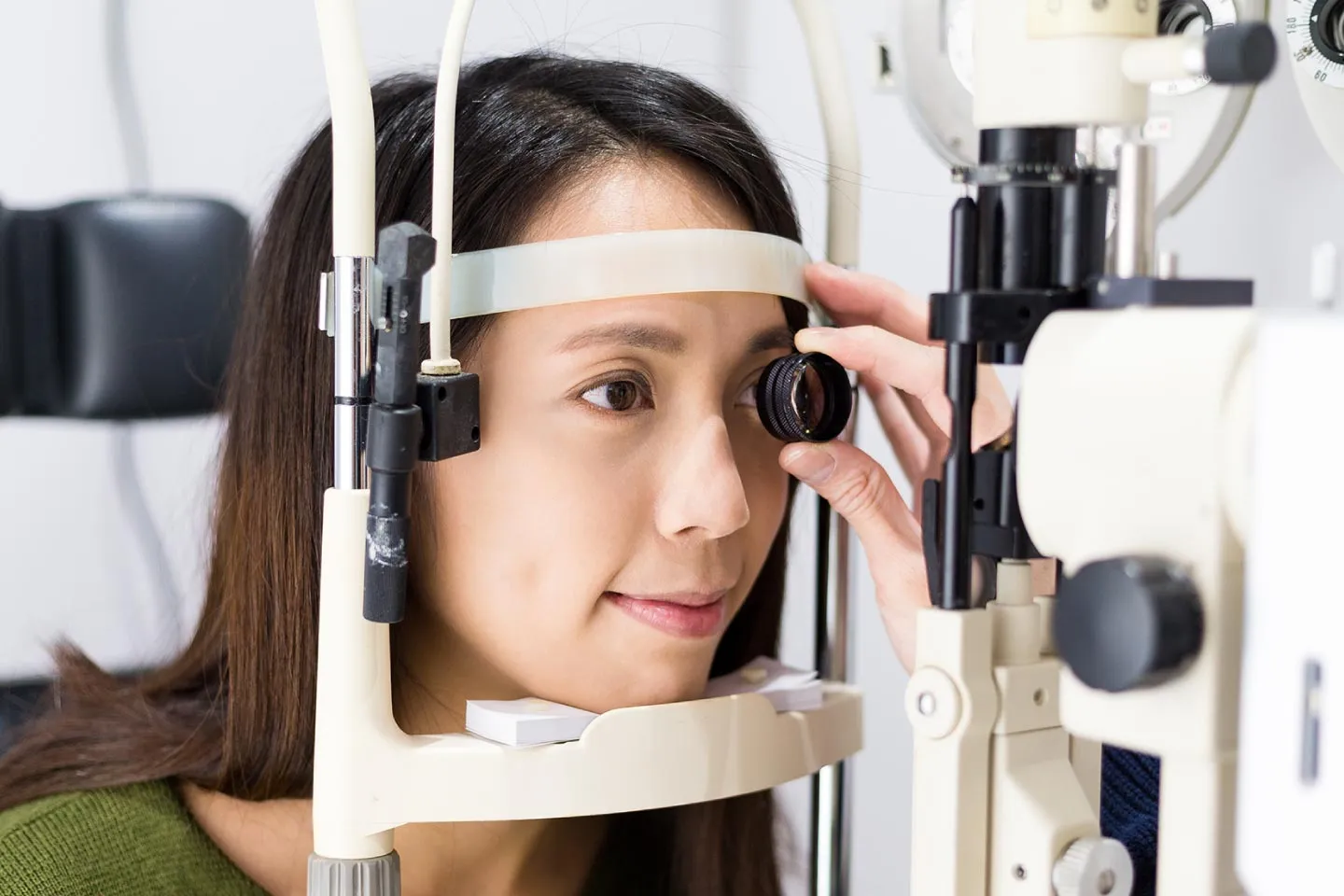
A comprehensive eye examination is an essential part of protecting your vision and maintaining long-term eye health. One of the most important steps in this process is pupil dilation. Many patients wonder why their eye doctor needs to dilate the pupils and whether it is necessary every time. Although the eye drops used for dilation can cause temporary blurring and light sensitivity, the benefits are significant. Pupil dilation allows the eye care professional to examine the internal structures of the eye more thoroughly and detect problems that might otherwise go unnoticed.
This blog explains why pupil dilation is important, what the process involves, and when it is recommended.
What Is Pupil Dilation?
Pupil dilation is the process of widening the black circular opening in the centre of the eye using special medicated eye drops. Normally, the pupils expand in dim light and constrict in bright light. When the pupils are dilated with medication, they stay open for a longer period, which allows the doctor to see more of the inside of the eye.
Dilation drops temporarily relax the muscles that control the pupil. This creates a larger opening that provides a clearer and wider view of the retina, optic nerve, and other internal structures. Without dilation, some parts of the eye may be hidden or difficult to examine.
Why Dilating the Pupils Is Important?
The main value of pupil dilation is the increased visibility it provides. It enables the eye doctor to detect conditions early. Many serious eye diseases do not cause symptoms in the early stages, which is why thorough examination is essential.
Here are the key reasons why dilation is performed.
Detection of retinal diseases
A dilated eye exam gives a clear view of the retina at the back of the eye. This allows the doctor to identify signs of retinal tears, detachments, macular degeneration, and inherited retinal conditions. Early detection is critical because many retinal issues progress silently.
Monitoring diabetic eye disease
People with diabetes are at higher risk of developing diabetic retinopathy, a condition that damages the small blood vessels in the retina. Dilation helps the doctor see these blood vessels clearly and detect any bleeding, leakage, or abnormal growths. This is essential for preventing vision loss related to diabetes.
Evaluation of the optic nerve
The optic nerve carries visual information from the eye to the brain. Dilation improves the view of the optic nerve, helping detect glaucoma and other conditions that may cause damage. Glaucoma often begins without symptoms, making routine dilated exams an important part of early detection.
Detection of cataracts
Although cataracts are mainly detected through a normal examination, a dilated pupil helps the doctor assess the severity and location of the clouding inside the lens. This supports accurate diagnosis and treatment planning.
Assessment of general eye health
Dilation allows a full evaluation of blood vessels, pigmentation, nerve tissue, and structural changes. This helps detect infections, inflammation, and signs of systemic diseases that may affect the eyes.
What Happens During a Dilated Eye Exam?
The process of pupil dilation is simple. The doctor places dilating drops into the eyes, and it takes about 15 to 30 minutes for the pupils to fully widen. Once they are dilated, the doctor uses various lights and lenses to examine the inside of the eye.
During the examination, the doctor may
• Check the retina and macula
• Examine the optic nerve
• Assess blood vessels and other internal structures
• Take images if needed for detailed analysis
The entire examination provides a more complete understanding of your eye health.
How Long Do the Effects Last?
The effects of dilation usually last between four and six hours, depending on the type of eye drops used and the individual's response.
During this time, you may experience
• Blurred near vision
• Light sensitivity
• Difficulty focusing on close objects
For comfort, it helps to bring sunglasses to your appointment. Driving immediately after dilation is not recommended for some patients, especially if their vision feels significantly blurred. If possible, arranging alternative transport is advisable.
When Dilation Is Recommended?
Not everyone needs pupil dilation during every exam, but it is recommended in several situations.
Routine comprehensive exams
Adults should have a dilated eye exam every one to two years, especially after the age of 40.
Existing eye conditions
If you have glaucoma, diabetic retinopathy, macular degeneration, or any retinal issue, regular dilation is essential for monitoring progression.
High-risk individuals
People with a family history of eye disease, high myopia, diabetes, or high blood pressure often require more frequent dilated exams.
New symptoms
Sudden floaters, flashes of light, persistent blurry vision, or eye pain may indicate internal eye problems. Dilation helps the doctor identify the cause.
Before and after certain treatments
Some treatments require detailed evaluation of the retina, making dilation necessary for accurate assessment.
Why Dilation Matters for Long-Term Eye Health?
Pupil dilation is one of the most effective ways to detect silent or early-stage eye diseases. Many conditions can be treated successfully when identified early. Without dilation, critical warning signs may go unnoticed.
By allowing a wider and clearer view of the retina, optic nerve, and blood vessels, dilation helps protect your vision and prevent complications. A dilated exam can reveal early damage caused by diabetes, high blood pressure, ageing, or undiagnosed eye conditions.
Expert Eye Care at Eyesight.sg
At Eyesight.sg, we provide comprehensive eye examinations that include detailed dilated assessments when required. Our team ensures that your eyes are thoroughly evaluated to detect early signs of disease and protect your long-term vision. Whether you are attending a routine check or have specific symptoms, we help you understand your eye health and guide you through the recommended steps.
If you are unsure whether you need a dilated exam, we are here to advise based on your age, eye health, and risk factors.


Your Vision, Our Priority
At Eyesight.sg, we provide comprehensive eye care, from routine check-ups to advanced solutions. Our services are delivered by trusted optometrists across Singapore. Call us to schedule an appointment for your spectacles, contact lenses, or specialist lens needs. You can also drop by any time to explore our wide range of designer spectacle frames and sunglasses.

Why Choose Eyesight.sg?
- Experienced & Certified Optometrists
- Advanced Diagnostic Technology
- Personalised Care for All Ages
- Multiple Locations Across Singapore

Ready for Better Vision? We’re Here for You at Eyesight.sg.
West Mall Branch
Address: West Mall Shopping Centre, 1 Bukit Batok Central, #04-05, Singapore 658713
Phone: +65 6792 5733
Email: hello@eyesight.sg
Mon–Sun: 11am–9 pm
Tampines Branch
Address: 827 Tampines Street 81, #01-146, Singapore 520827
WhatsApp: +65 9824 1607
Email: hello@eyesight.sg
Mon–Sun: 11am–9 pm
Potong Pasir Branch
Address: 51 Upper Serangoon Rd, #01-07 The Poiz Centre, Singapore 347697
WhatsApp: +65 8809 5996
Email: hello@eyesight.sg
Mon–Sun: 11am–9 pm


© 2026 Eyesight.sg | All Rights Reserved | Privacy Policy | Digital Marketing by Remedo