
The Sneak Thief of Sight
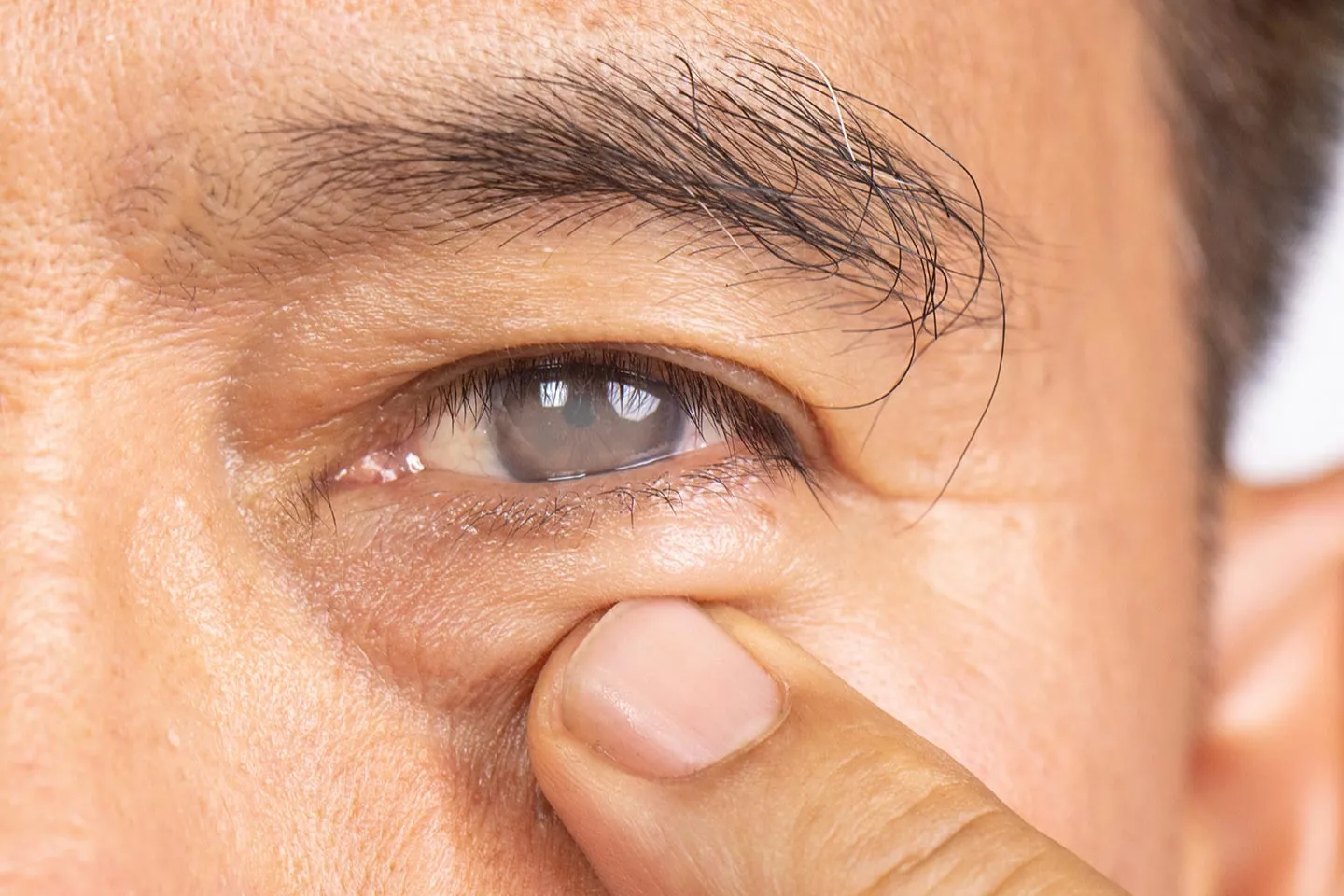
It’s that time of year again. January is National Glaucoma Awareness Month, a time set aside each year to create awareness about this potentially devastating disease. The reason awareness about glaucoma is so important is that is because as its nickname The Sneak Thief of Sight, describe he disease often causes permanent damage to your eyes and vision without any noticeable symptoms, until it’s too late. In fact, up to 40% of your vision could be lost without any noticeable symptoms! This is why awareness and early detection are essential for effective treatment.
What Is Glaucoma?
Glaucoma is the leading cause of permanent blindness worldwide. It is a group of eye diseases that results in damage to the optic nerve, which can lead to vision loss and eventual blindness.
Most cases of glaucoma occur without obvious symptoms. Often people think they will experience headache or eye pain; however, this is largely a misconception. There are several types of glaucoma, and only one, angle closure glaucoma, typically presents with pain.
Treatment For Glaucoma
While there is still no cure for glaucoma, there are medications and surgical procedures that are able to prevent and slow any further vision loss. However, any vision that is lost is irreversible, usually. Again, this is why early detection is key to stopping and preventing vision loss and blindness. Glaucoma screening includes a number of tests. Many people believe the "air-puff" test used to measure eye pressure is what detects glaucoma, but this is not the whole picture. In fact, many people can develop glaucoma with normal eye pressure.
Today newer technologies are available, such as OCT (like an ultrasound), which allow eye doctors to look directly at the optic nerve to assess glaucoma progression. The treatment plan depends on a number of factors, including the type of glaucoma and the severity of the eye damage.
While anyone can be affected by glaucoma, there are certain risk factors that are known to increase the likelihood of getting the disease. Being aware of the risk factors and knowing whether you are at higher risk puts you in a better position to take steps toward prevention, including regular screenings by an eye doctor. Here are some of the major risk factors:
Glaucoma Risk Factors
- Over 60 years old (over 40 for African Americans)
- Family history of glaucoma
- African or Hispanic descent
- Previous eye injury or surgery - even a childhood eye injury can lead to glaucoma decades later
- Diabetes
- High nearsightedness or farsightedness
- Cortisone steroid use (in the form of eye drops, pills, creams, etc.)
Glaucoma Prevention
Now that you know the risk factors, what can you do to prevent glaucoma? Here are some guidelines for eye health that can prevent glaucoma, as well as many other eye and non-eye related conditions:
- Don’t smoke
- Exercise daily
- Maintain a healthy weight
- Prevent UV exposure (by wearing sunglasses, protective clothing, and sunscreen when outdoors)
- Get regular comprehensive eye exams - and make sure to tell your eye doctor if you have risk factors for glaucoma.
- Eat a healthy diet rich in a large variety of colorful fruits and vegetables, vitamins A, C, E, and D, zinc, and omega-3 fatty acids.
Even if you have 20/20 vision, you may still have an asymptomatic eye disease such as glaucoma. Glaucoma Awareness is step one in prevention but there is a lot more to do to keep your eyes and vision safe. During January, make a commitment to take the following additional steps toward glaucoma prevention:
- Assess your risk factors
- Schedule a comprehensive eye exam and discuss glaucoma with your eye doctor. Even if you feel you have clear vision, it is worthwhile to book an eye exam in order to detect eye diseases such as this "Sneak Thief".
- Adopt the healthy, preventative lifestyle guidelines outlined above
- Spread the word. Talk about glaucoma to friends and family to ensure that they too can become aware and take steps to prevent glaucoma from stealing their sight.


Your Vision, Our Priority
At Eyesight.sg, we provide comprehensive eye care, from routine check-ups to advanced solutions. Our services are delivered by trusted optometrists across Singapore. Call us to schedule an appointment for your spectacles, contact lenses, or specialist lens needs. You can also drop by any time to explore our wide range of designer spectacle frames and sunglasses.

Why Choose Eyesight.sg?
- Experienced & Certified Optometrists
- Advanced Diagnostic Technology
- Personalised Care for All Ages
- Multiple Locations Across Singapore

Ready for Better Vision? We’re Here for You at Eyesight.sg.
West Mall Branch
Address: West Mall Shopping Centre, 1 Bukit Batok Central, #04-05, Singapore 658713
Phone: +65 6792 5733
Email: hello@eyesight.sg
Mon–Sun: 11am–9 pm
Tampines Branch
Address: 827 Tampines Street 81, #01-146, Singapore 520827
WhatsApp: +65 9824 1607
Email: hello@eyesight.sg
Mon–Sun: 11am–9 pm
Potong Pasir Branch
Address: 51 Upper Serangoon Rd, #01-07 The Poiz Centre, Singapore 347697
WhatsApp: +65 8809 5996
Email: hello@eyesight.sg
Mon–Sun: 11am–9 pm


© 2026 Eyesight.sg | All Rights Reserved | Privacy Policy | Digital Marketing by Remedo