

Sjogren’s Awareness: Understanding the Invisible Disease
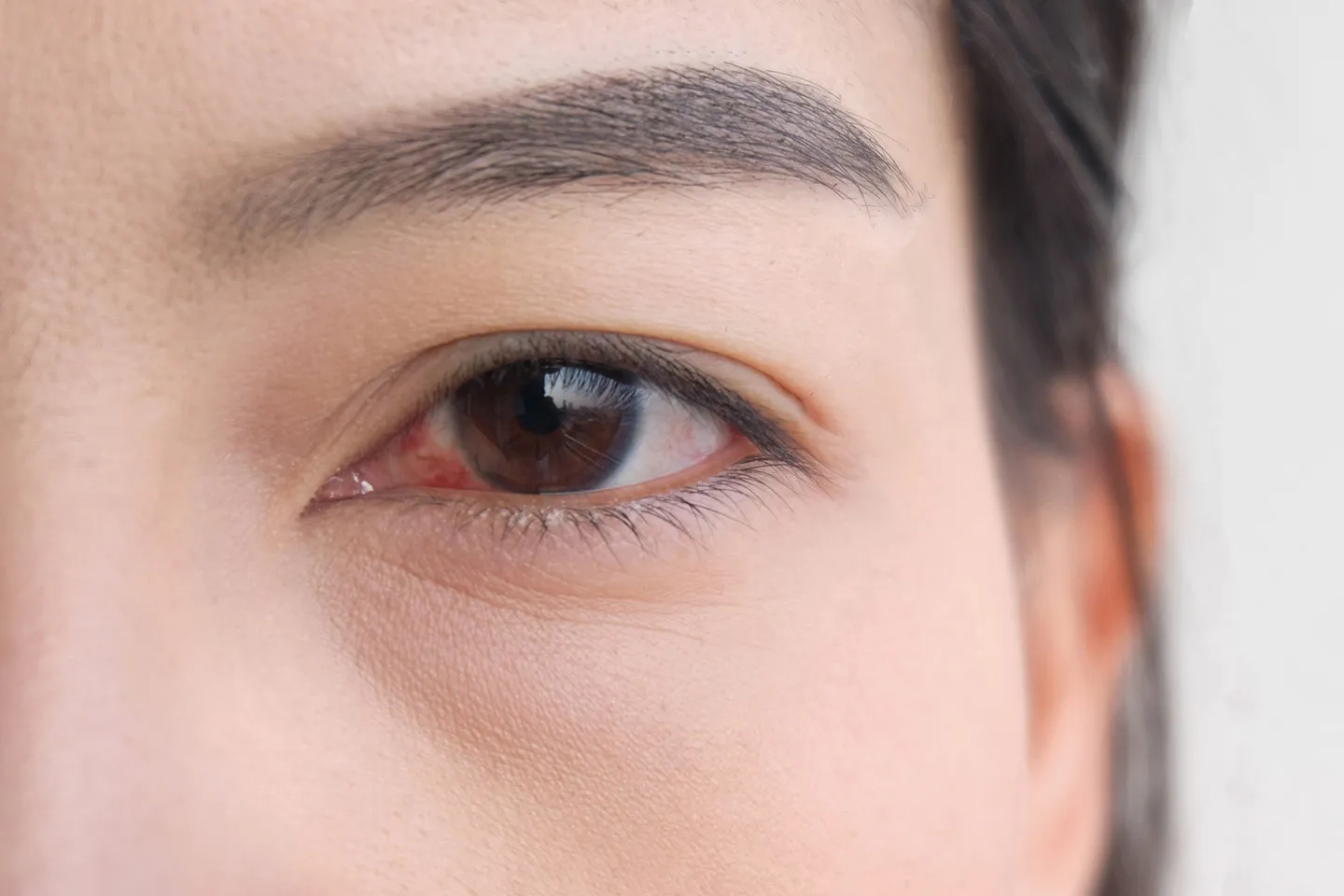
In an effort to spread the word to increase awareness about Sjogren’s Disease, eye care providers are speaking out about this hard-to-diagnose condition.
Sjogren’s is a systemic autoimmune disorder that can affect the whole body. One of the primary symptoms is excessive dryness, particularly in the eyes and mouth. Other serious symptoms include chronic fatigue and pain, specifically in the joints, as well as major organ dysfunction. The syndrome also increases the chances of neuropathies and lymphomas.
The severity of the disease varies greatly, ranging from mild discomfort to debilitating symptoms that can seriously impair normal functioning in everyday life. Early diagnosis and treatment can prevent serious complications and improve quality of life. There is currently no cure for Sjogren’s, yet there are treatments for many of the individual symptoms. On average, patients are prescribed upwards of 8 medications to treat the wide range of symptoms.
Women are nine times more likely to develop Sjogren’s than men, and diagnosis usually occurs around the age of 40. Unfortunately, because the symptoms vary from person to person, and the disease often occurs in the presence of or mimics other diseases (such as lupus, rheumatoid arthritis, menopause, allergies, or multiple sclerosis), the disease is often misdiagnosed or overlooked. Further, because the symptoms can affect different parts of the body system, such as the teeth, eyes, or musculoskeletal system, various health professionals are sought to diagnose or treat specific symptoms (such as rheumatologists, dentists, or eye doctors) while the big picture is often missed. On average, it takes almost three years to obtain a Sjogren’s diagnosis once symptoms are noticed.
Since dry eye is one of the most common early symptoms of the disease, there has been an effort to educate eye care providers to recognize and be aware to look the symptoms of the disease. Patients also need to be aware and proactive about speaking to their health care providers about potential diagnoses and treatment. Knowing the risk factors and symptoms can be imperative to a faster diagnosis.
Your eye doctor may be able to detect and diagnose Sjogren's syndrome from dry eye symptoms, as well as other diagnostic tests and a review of symptoms. With this diagnosis, the treatment will be different from typical dry eye disease. Since it is an autoimmune disease, lubricating eye drops may provide temporary relief but will not address the source of the problem. Your doctor may prescribe newer cyclosporine drops as well to treat the inflammatory response. If you have dry eyes and typical treatments aren’t working, it may be worthwhile to ask about Sjogren’s.
Sjogren’s patients often feel misunderstood because most of the debilitating symptoms are not visible to others and the disease is often not recognized largely due to a lack of awareness. By increasing both public and professional awareness, the goal is to reduce diagnosis time and to advance research on the cure for this disorder.


Your Vision, Our Priority
At Eyesight.sg, we provide comprehensive eye care, from routine check-ups to advanced solutions. Our services are delivered by trusted optometrists across Singapore. Call us to schedule an appointment for your spectacles, contact lenses, or specialist lens needs. You can also drop by any time to explore our wide range of designer spectacle frames and sunglasses.

Why Choose Eyesight.sg?
- Experienced & Certified Optometrists
- Advanced Diagnostic Technology
- Personalised Care for All Ages
- Multiple Locations Across Singapore

Ready for Better Vision? We’re Here for You at Eyesight.sg.
West Mall Branch
Address: West Mall Shopping Centre, 1 Bukit Batok Central, #04-05, Singapore 658713
Phone: +65 6792 5733
Email: hello@eyesight.sg
Mon–Sun: 11am–9 pm
Tampines Branch
Address: 827 Tampines Street 81, #01-146, Singapore 520827
WhatsApp: +65 9824 1607
Email: hello@eyesight.sg
Mon–Sun: 11am–9 pm
Potong Pasir Branch
Address: 51 Upper Serangoon Rd, #01-07 The Poiz Centre, Singapore 347697
WhatsApp: +65 8809 5996
Email: hello@eyesight.sg
Mon–Sun: 11am–9 pm


© 2026 Eyesight.sg | All Rights Reserved | Privacy Policy | Digital Marketing by Remedo