

Should I Be Concerned When My Eyelid Twitches?
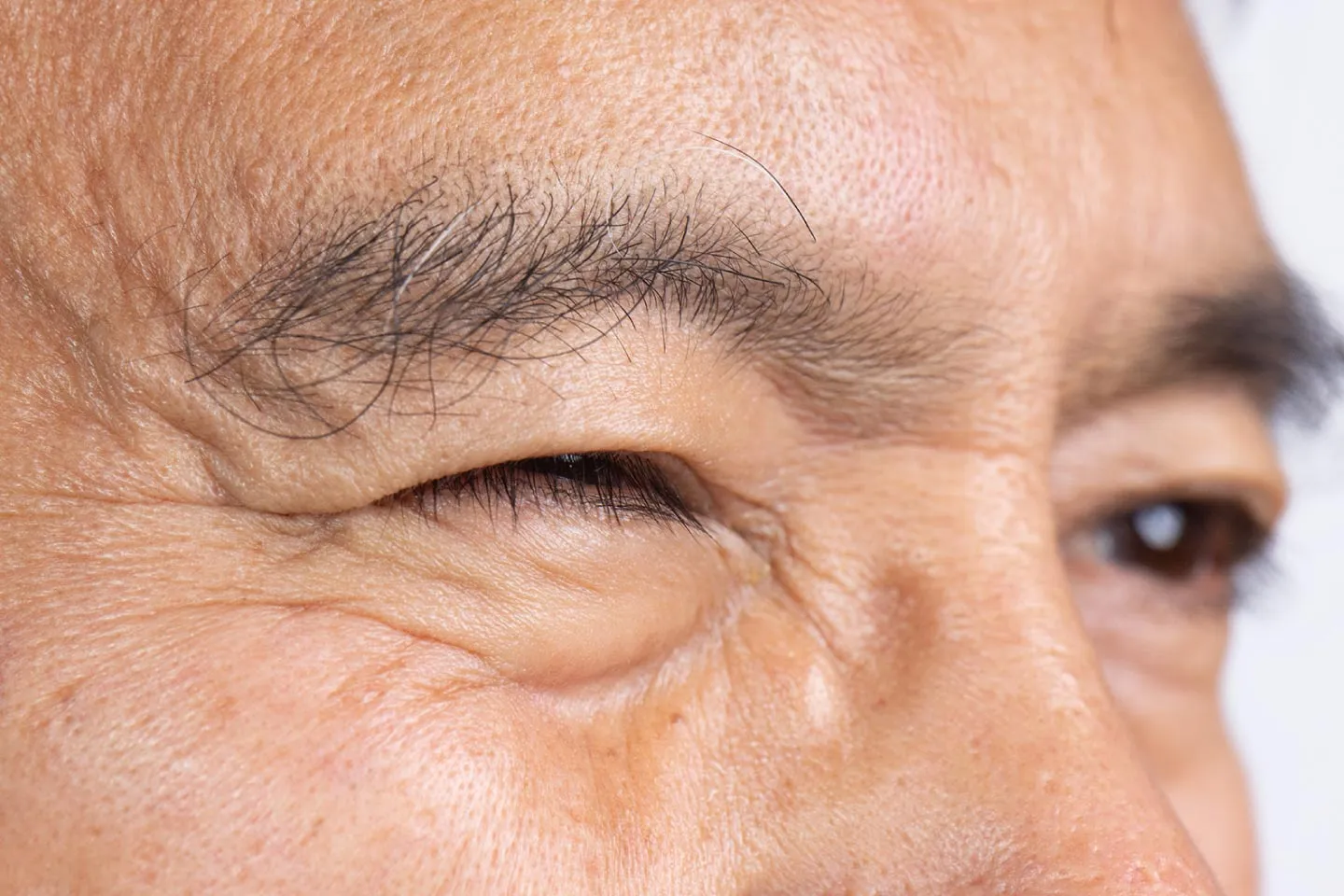
We all experience the occasional eyelid twitch, which is when the muscle of the eyelid spasms involuntarily. Usually, it comes and goes without intervention, and while sure, it can be irritating, is a twitching eyelid ever something to be concerned about?
An eyelid twitch, also known as a myokymia, can affect the upper or lower lid and usually lasts for at least a few seconds and then may continue off and on for a few minutes. Usually unpredictable, twitching episodes can last several days, and sometimes they may go away and then return weeks or months later.
Causes of Eyelid Twitching
Although they may be bothersome, most eyelid twitches are nothing to cause concern and usually resolve on their own. However, in some rare cases, they may be a sign of a more serious problem, especially if they are accompanied by other symptoms - we will discuss this further below.
Some known causes of eyelid twitches include:
- Fatigue or lack of sleep
- Stress
- Eye irritation or dry eyes
- Medications
- Alcohol or caffeine
- Physical exertion
- Allergies
- Eye strain (such as with extended digital device use)
- Poor nutrition
Preventing And Treating Eyelid Twitching
Usually, eyelid twitching will resolve itself within a couple of days or weeks, but if it persists, try to determine the cause in order to speed up the process. Consider going to bed a little earlier, cutting out caffeine or alcohol, or finding ways to reduce or manage your stress. You can also try lubricating eye drops to add moisture to your eyes. If you take notice of when the spasms are happening and what else is going on in your life at that time (time of day, food intake, stress level, exhaustion), you can make some changes that will stop or prevent eye twitching from occurring.
If you notice eye twitching in addition to vision disturbances or eye strain, contact your doctor for a vision assessment, as it could be a sign of a refractive change.
When Is Eyelid Twitching A Concern?
If the eyelid spasms don’t pass and become chronic, it may be a sign that you have a condition called benign essential blepharospasm. This condition is when the eye muscles blink uncontrollably, and it usually affects both eyes. While the cause of blepharospasm is not known, it is more common in middle-aged women, and there are a number of conditions that can exacerbate symptoms, including:
- Eye inflammation (blepharitis) or infection (pink eye)
- Dry eyes
- Fatigue
- Stress
- Alcohol, caffeine, or tobacco
- Irritants or allergens in the environment
Blepharospasm is usually a progressive condition that can eventually lead to spasms in other muscles in the face, blurred vision, and light sensitivity. The condition is sometimes treated with medication or Botox (botulinum toxin) to temporarily reduce the spasm, and in severe cases, surgery may be performed to remove some of the muscles that are affected.
On very rare occasions, eye twitching can be a symptom of a more serious disorder affecting the brain or nervous system; however, it will usually be accompanied by other symptoms. Examples of such conditions include: glaucoma, hemifacial spasms, Parkinson’s disease, Bell’s palsy, multiple sclerosis, dystonia, and Tourette’s. A corneal scratch or abrasion can also be a cause of eyelid muscle spasm.
If you experience any of the following symptoms along with your eye twitching, see your doctor as soon as possible:
- Twitching that continues for more than a few weeks
- Twitching that spreads to other areas of the face
- A drooping upper eyelid
- Red, irritated, or swollen eyes
- Discharge coming from the eye
- Spasms that cause the eyelid to close completely or difficulty opening the eyelid.
In most cases, eye twitching is not something to worry about, but when you do experience a spasm, it is worthwhile to take note of the circumstances so you know when your body is trying to tell you that something is out of balance.


Your Vision, Our Priority
At Eyesight.sg, we provide comprehensive eye care, from routine check-ups to advanced solutions. Our services are delivered by trusted optometrists across Singapore. Call us to schedule an appointment for your spectacles, contact lenses, or specialist lens needs. You can also drop by any time to explore our wide range of designer spectacle frames and sunglasses.

Why Choose Eyesight.sg?
- Experienced & Certified Optometrists
- Advanced Diagnostic Technology
- Personalised Care for All Ages
- Multiple Locations Across Singapore

Ready for Better Vision? We’re Here for You at Eyesight.sg.
West Mall Branch
Address: West Mall Shopping Centre, 1 Bukit Batok Central, #04-05, Singapore 658713
Phone: +65 6792 5733
Email: hello@eyesight.sg
Mon–Sun: 11am–9 pm
Tampines Branch
Address: 827 Tampines Street 81, #01-146, Singapore 520827
WhatsApp: +65 9824 1607
Email: hello@eyesight.sg
Mon–Sun: 11am–9 pm
Potong Pasir Branch
Address: 51 Upper Serangoon Rd, #01-07 The Poiz Centre, Singapore 347697
WhatsApp: +65 8809 5996
Email: hello@eyesight.sg
Mon–Sun: 11am–9 pm


© 2026 Eyesight.sg | All Rights Reserved | Privacy Policy | Digital Marketing by Remedo