

Glaucoma Awareness and Management
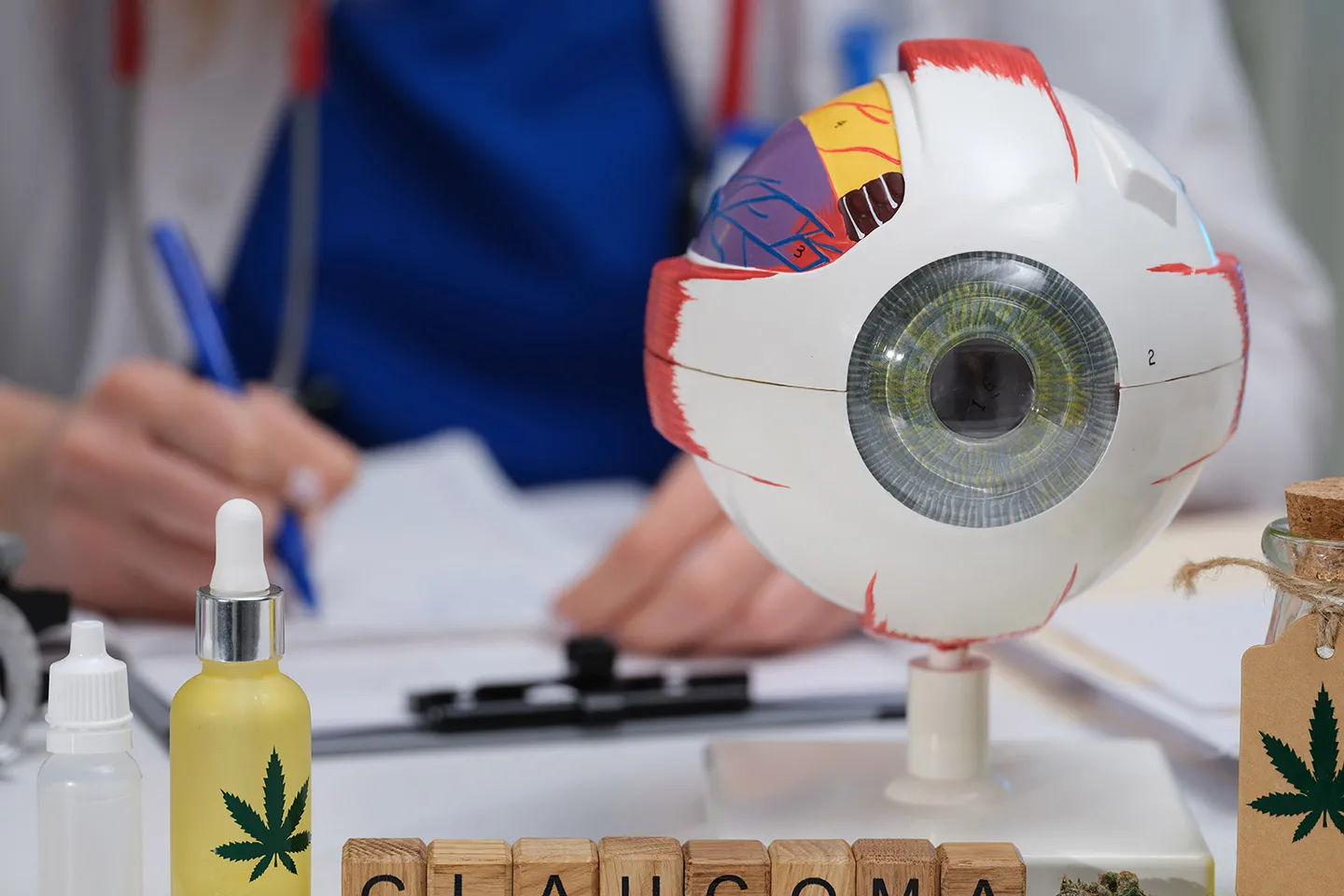
Vision is something most of us rely on without giving it much thought. From reading the morning news to navigating busy streets or working long hours on screens, our eyes stay constantly active. Yet one of the most important eye conditions often remains unnoticed until it has already caused long-term damage. That condition is glaucoma, commonly known as the silent thief of sight.
Glaucoma tends to progress quietly. Many people do not realise they have it because the early stages usually do not cause pain or noticeable changes in vision. The danger lies in this subtle progression. By the time symptoms become obvious, the optic nerve may already be significantly affected. This is why understanding glaucoma and staying proactive with eye health plays a key role in protecting lifelong vision.
What Is Glaucoma
Glaucoma refers to a group of eye diseases that damage the optic nerve. The optic nerve acts like a communication cable that carries visual signals from the eye to the brain. When this nerve becomes damaged, blind spots may form in the visual field. Without treatment, these blind spots can slowly expand.
In many cases, the damage is related to increased pressure inside the eye. The eye continuously produces a clear fluid to maintain shape and provide nourishment. This fluid normally drains through a natural pathway. When the drainage becomes blocked or inefficient, pressure builds up. However, some people develop glaucoma even when their eye pressure appears normal. This shows that early and thorough testing is essential.
Who Is at Higher Risk
Glaucoma can affect anyone, but certain factors make it more likely. These include:
- Age above 40
- A family history of glaucoma
- High myopia or high hyperopia
- Previous eye trauma or surgery
- Long-term use of steroid medications
- Diabetes or uncontrolled blood pressure
People of Asian ethnicity are also more likely to develop angle closure glaucoma, a type that tends to progress more quickly and may require timely intervention.
Being in a higher risk group does not mean someone will definitely get glaucoma. It simply means they should be more attentive to routine eye checks so that any early signs can be detected.
Types of Glaucoma
Primary Open Angle Glaucoma
This is the most common type. It develops slowly over time as the drainage channels become less efficient. Early stages often have no symptoms.
Angle Closure Glaucoma
This type occurs when the drainage angle becomes blocked. It is more common in people with naturally narrower angles. It may progress gradually or cause sudden spikes in pressure. Sudden attacks can cause eye pain, blurry vision, halos around lights, and nausea.
Secondary Glaucoma
This type is caused by another eye condition, such as injury, cataract, inflammation, or long-term steroid use.
Normal Tension Glaucoma
In some cases, optic nerve damage occurs even when eye pressure is within the normal range. The causes are not fully understood but may be related to blood flow to the nerve.
How Glaucoma Is Detected
Because glaucoma does not always produce obvious symptoms, the best approach is to undergo regular comprehensive eye examinations. An accurate diagnosis usually includes several different tests:
- Measurement of eye pressure
- Assessment of the drainage angle
- Detailed examination of the optic nerve
- Visual field testing to detect blind spots
- Imaging to measure the nerve fibre layer around the optic nerve
These tests together provide a clear view of how well the optic nerve is performing and whether any early damage is present.
Treatment Options
The goal of glaucoma treatment is to lower eye pressure and protect the optic nerve from further damage. Treatment plans vary depending on the type and severity of the condition.
Medicated Eye Drops
These are often the first choice. They help reduce pressure by lowering fluid production or improving drainage. Some people may require more than one type of drop to maintain stable pressure.
Laser Treatments
Laser procedures are commonly recommended when drops are not sufficient or when improved drainage is needed.
Some commonly used laser treatments include:
- Argon Laser Trabeculoplasty to open the drainage channels
- Selective Laser Trabeculoplasty to target specific drainage areas
- Laser Peripheral Iridotomy to create a small opening in the iris for better fluid movement in angle closure cases
- Laser Cyclophotocoagulation to reduce fluid production in more advanced stages
These treatments help regulate eye pressure and can sometimes reduce the need for long-term medication.
Surgical Procedures
When other treatments do not provide adequate pressure control, surgery may be needed. Options include:
- Trabeculectomy, which creates a new drainage pathway
- Drainage implant surgery, where a small tube is inserted to direct fluid out of the eye
- Trabectome procedures that remove blocked tissue from the drainage area
- Surgery aims to prevent further loss of vision. Although it does not restore vision that is already lost, it can significantly protect remaining sight.
Frequently Asked Questions
Is glaucoma curable?
Glaucoma cannot be cured, but it can be successfully managed. Early detection and consistent treatment can prevent or slow further vision loss.
Does glaucoma always cause pain?
No. Most types do not cause pain in the early stages. Pain is more likely during a sudden angle closure attack, which requires urgent care.
Can vision lost to glaucoma be restored?
Vision loss from glaucoma is usually permanent. Treatment focuses on preserving the remaining vision.
How often should I get tested?
Adults over 40 or individuals with risk factors should schedule regular comprehensive eye examinations. Those with high risk may need more frequent checks.
Do eye drops have side effects?
Some drops may cause redness, irritation, or changes in heart rate or breathing. Any side effects should be discussed with an eye doctor so adjustments can be made.
Can lifestyle changes prevent glaucoma?
Lifestyle habits alone cannot prevent glaucoma, but they support healthier eyes overall. Regular exercise, good blood pressure control, and avoiding smoking can help protect eye health.
Ready to Protect Your Vision?
Book your glaucoma screening today with Eyesight.sg, your trusted optometrists in Singapore.


Your Vision, Our Priority
At Eyesight.sg, we provide comprehensive eye care, from routine check-ups to advanced solutions. Our services are delivered by trusted optometrists across Singapore. Call us to schedule an appointment for your spectacles, contact lenses, or specialist lens needs. You can also drop by any time to explore our wide range of designer spectacle frames and sunglasses.

Why Choose Eyesight.sg?
- Experienced & Certified Optometrists
- Advanced Diagnostic Technology
- Personalised Care for All Ages
- Multiple Locations Across Singapore

Ready for Better Vision? We’re Here for You at Eyesight.sg.
West Mall Branch
Address: West Mall Shopping Centre, 1 Bukit Batok Central, #04-05, Singapore 658713
Phone: +65 6792 5733
Email: hello@eyesight.sg
Mon–Sun: 11am–9 pm
Tampines Branch
Address: 827 Tampines Street 81, #01-146, Singapore 520827
WhatsApp: +65 9824 1607
Email: hello@eyesight.sg
Mon–Sun: 11am–9 pm
Potong Pasir Branch
Address: 51 Upper Serangoon Rd, #01-07 The Poiz Centre, Singapore 347697
WhatsApp: +65 8809 5996
Email: hello@eyesight.sg
Mon–Sun: 11am–9 pm


© 2026 Eyesight.sg | All Rights Reserved | Privacy Policy | Digital Marketing by Remedo