

What Are the Genetic Disorders of the Eye?
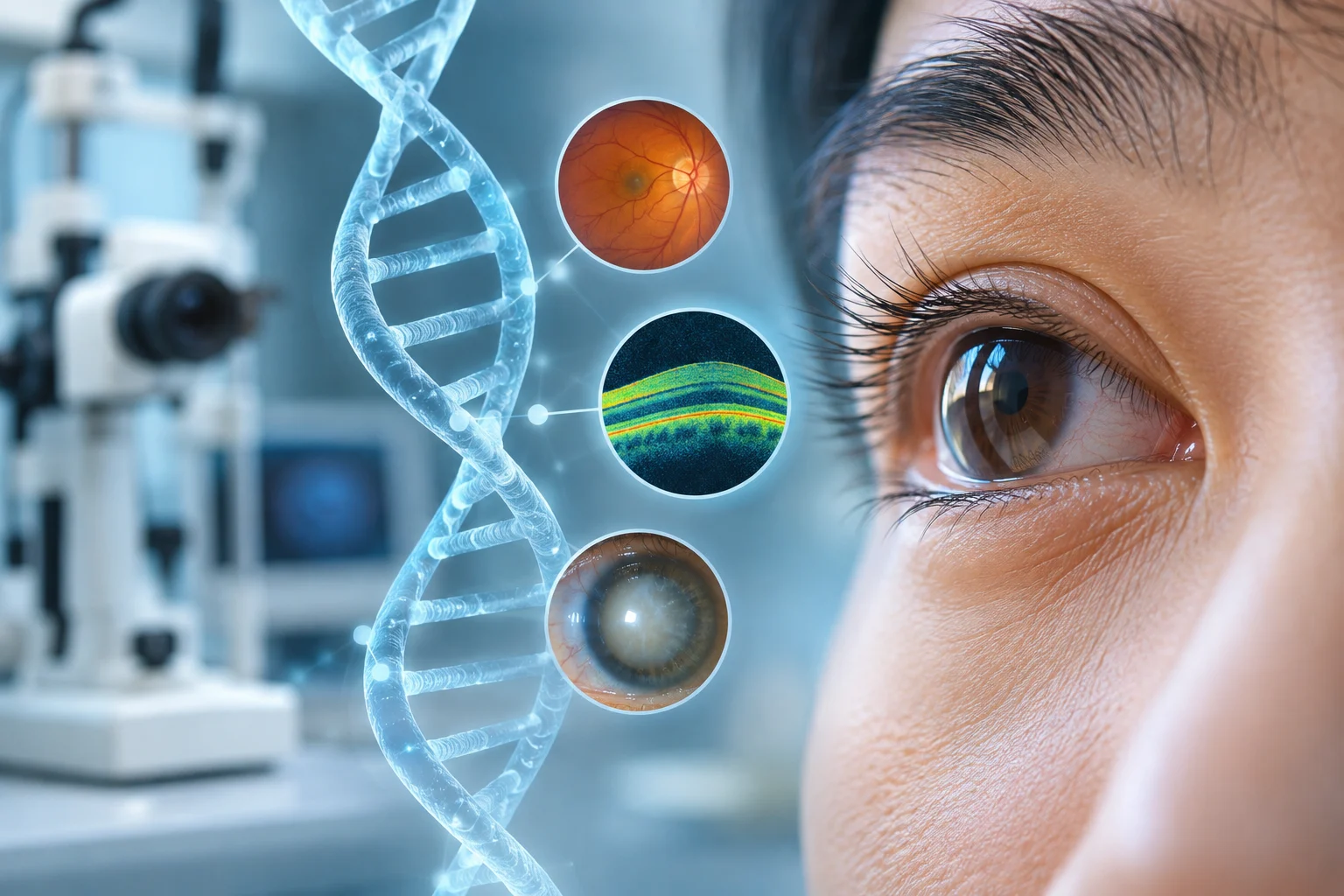
Have you ever wondered why some people develop vision problems at a young age, even when they take good care of their eyes? In some cases, these problems may be linked to their genes. Genetic eye disorders are conditions caused by changes in genes that affect how the eyes develop or function. These changes may be inherited from parents or occur for the first time in an individual.
Some genetic eye conditions affect vision from birth, while others develop gradually during childhood or adulthood. They can affect different parts of the eye, including the retina, cornea and lens.
Understanding these conditions can help you recognise possible symptoms and seek appropriate eye care. At Eyesight.sg, a comprehensive eye examination can help assess your vision and identify changes that may require further investigation.
What Are Genetic Eye Disorders?
Genetic eye disorders are eye conditions caused by changes in genes that affect normal vision or eye development. Depending on the condition, these changes may affect how clearly a person sees, how well they distinguish colours or how their eyes respond to light.
Some conditions are present at birth, while others may become noticeable later in life. Their effects also vary. Certain conditions cause mild visual difficulties, whereas others can lead to progressive vision loss.
A family history of an eye condition may increase the likelihood of developing it, but not everyone with an affected relative will necessarily have the same condition. Some genetic eye disorders can also occur without a known family history.
What Are the Common Genetic Disorders of the Eye?
Several inherited conditions can affect vision in different ways. Here are some examples and the symptoms associated with them.
1. Retinitis Pigmentosa
Retinitis pigmentosa is a group of inherited eye conditions that gradually damage the retina, the light-sensitive layer at the back of the eye. The retina helps the brain interpret the images we see.
People with this condition often experience difficulty seeing in dim lighting before noticing other changes in their vision. As the condition progresses, their side vision may gradually become narrower.
Common symptoms include:
- Difficulty seeing at night
- Trouble adjusting to dim lighting
- Reduced side vision
- Difficulty noticing objects outside the direct line of sight
The rate at which vision changes varies from person to person. Although there is no general cure for retinitis pigmentosa, regular monitoring, visual aids and vision rehabilitation may help people manage their daily activities.
2. Stargardt Disease
Stargardt disease is an inherited eye condition that affects the macula, the part of the retina responsible for sharp central vision. It often develops during childhood or adolescence, although symptoms can appear later.
People with Stargardt disease may find it harder to read, recognise faces or see fine details. Bright light may also cause discomfort.
Common symptoms include:
- Blurred central vision
- Difficulty reading small print
- Problems recognising faces
- Sensitivity to light
- Difficulty adjusting between bright and dark environments
There is currently no established cure for Stargardt disease. However, visual aids and rehabilitation can help people make the most of their remaining vision. Regular assessments can also help monitor changes over time.
3. Congenital Cataracts
Congenital cataracts are cloudy areas in the eye's natural lens that are present at birth or develop during early infancy. Although some cases are linked to genetic changes, congenital cataracts can have other causes as well.
When the lens becomes cloudy, light cannot pass through it clearly, which can interfere with normal visual development in children.
Possible signs include:
- A cloudy appearance in the pupil
- Difficulty focusing on objects
- Unusual eye movements
- Misaligned eyes
- Reduced visual responsiveness
Early assessment is important because cataracts can affect how a child's vision develops. Depending on their severity, treatment may involve surgery and follow-up care to support visual development.
4. Congenital Glaucoma
Congenital glaucoma is a rare condition that affects the normal drainage of fluid inside the eye. This can cause pressure to build up and damage the optic nerve, which carries visual information to the brain.
Some cases are associated with genetic changes. The condition usually becomes apparent during infancy or early childhood.
Possible symptoms include:
- Excessive tearing
- Sensitivity to light
- Cloudiness of the front of the eye
- Enlarged eyes
- Signs of eye discomfort
These symptoms need prompt assessment by an eye specialist. Treatment often involves surgery to improve fluid drainage and reduce pressure inside the eye. Early treatment is important to help protect vision.
5. Leber Congenital Amaurosis
Leber congenital amaurosis is a group of rare inherited conditions that affect the retina and cause significant vision problems from birth or early infancy.
Babies with this condition may have difficulty responding to visual objects or following movement with their eyes.
Possible signs include:
- Poor visual responsiveness
- Difficulty following objects
- Unusual eye movements
- Sensitivity to light
- Significant visual impairment from an early age
The effects vary depending on the underlying genetic cause. Early diagnosis helps families understand the condition and access appropriate visual support.
Some people with specific genetic forms of inherited retinal disease may be eligible for gene therapy. However, this treatment is only suitable for certain genetic conditions and is not available for every form of Leber congenital amaurosis.
6. Inherited Colour Vision Deficiency
Colour vision deficiency affects a person's ability to distinguish certain colours. Some forms are inherited and are present from birth.
People with colour vision deficiency may find it difficult to tell certain shades apart, particularly red and green. This can sometimes affect schoolwork, hobbies or activities that rely on identifying colours correctly.
Common signs include:
- Difficulty distinguishing certain colours
- Confusion between similar shades
- Problems with colour-coded activities
- Difficulty identifying colours in specific situations
Inherited colour vision deficiency does not usually cause progressive vision loss. Although there is no established cure for inherited forms, most people learn to manage the condition in everyday life.
A colour vision test can help assess whether a person has difficulty distinguishing particular colours.
7. Inherited Corneal Conditions
The cornea is the clear front surface of the eye that helps focus light. Some inherited conditions affect the cornea and can cause changes in its clarity or structure.
For example, certain corneal dystrophies cause material to build up within the cornea, which may affect vision over time.
Possible symptoms include:
- Blurred vision
- Sensitivity to light
- Glare
- Eye discomfort
- Changes in visual clarity
The symptoms depend on the specific condition. An eye examination can help identify changes affecting the front of the eye and determine whether further assessment is needed.
What Causes Genetic Eye Disorders?
Genetic eye disorders occur when changes in genes affect the way the eyes develop or function. Some conditions are passed down from parents, while others result from new genetic changes.
The way a condition is inherited depends on the specific disorder. In some cases, one parent may have the condition. In others, both parents may carry a genetic change without having symptoms themselves.
This is why a genetic eye disorder can sometimes occur in a family with no previous history of vision problems.
If an inherited eye condition is suspected, a specialist may recommend genetic testing or counselling to help explain the possible cause and whether other family members could be affected.
What Are the Symptoms of Genetic Eye Disorders?
Symptoms vary depending on the condition and the part of the eye affected. Some people experience changes in vision during childhood, while others notice symptoms much later.
Possible symptoms include:
- Difficulty seeing in dim lighting
- Blurred or distorted vision
- Reduced side or central vision
- Difficulty distinguishing colours
- Sensitivity to light
- Difficulty reading or recognising faces
- Unusual eye movements in infants
- Frequent changes in vision
These symptoms do not always indicate a genetic eye disorder. Other eye conditions can cause similar problems, so an appropriate examination is important.
If you experience sudden vision loss, flashes of light, a sudden increase in floaters or a shadow across your vision, seek urgent eye care rather than waiting for a routine appointment.
How Are Genetic Eye Disorders Diagnosed?
Diagnosing a genetic eye disorder may involve a combination of eye examinations, medical history and additional tests.
1. Comprehensive Eye Examination
An eye care professional can assess how clearly you see and examine the health of your eyes. Depending on your symptoms, further tests may be recommended.
A comprehensive eye examination can help identify changes in vision and signs that may require further investigation.
2. Family History
Your family history can provide useful information if several relatives have similar vision problems. However, not having an affected family member does not rule out a genetic condition.
3. Additional Eye Tests
Depending on the suspected condition, further tests may be needed to examine the retina, assess side vision or check the structure of the eye.
These tests can help an eye care professional understand the nature of the problem and decide whether specialist assessment is necessary.
4. Genetic Testing
In some cases, a specialist may recommend genetic testing to help identify the cause of an inherited eye condition.
The results may help confirm a diagnosis, explain the likelihood of inheritance and determine whether a specific treatment may be suitable. Not every genetic test provides a clear answer, and the results may need to be interpreted by a specialist.
Can Genetic Eye Disorders Be Treated?
Treatment depends on the specific condition and how it affects vision. While not every genetic eye disorder has a cure, appropriate care can help manage symptoms and support daily activities.
Treatment and management options may include:
- Glasses or contact lenses: These can improve vision when a refractive error is also present.
- Surgery: Some conditions, such as congenital cataracts and congenital glaucoma, may require surgery.
- Regular monitoring: Eye examinations can help track changes and identify additional problems.
- Visual aids: Magnifiers and other low-vision aids can help with reading and everyday tasks.
- Specialist treatments: Certain inherited retinal conditions have specific treatments for eligible patients.
Early assessment is particularly important for children because some eye conditions can affect normal visual development. If a genetic eye disorder is suspected, an appropriate referral can help the patient access the care they need.
When Should You Get an Eye Examination?
Consider arranging an eye examination if you or your child experiences persistent vision problems, unexplained changes in eyesight or symptoms that may indicate an underlying eye condition.
It is also worth discussing your concerns with an eye care professional if several family members have similar eye problems or a relative has been diagnosed with an inherited eye disorder.
Children should be assessed promptly if you notice unusual eye movements, difficulty following objects or concerns about their visual development.
An eye examination cannot identify every genetic condition on its own. However, it can help assess vision, identify concerning changes and determine whether further testing or referral to an ophthalmologist is appropriate.
Understanding Genetic Eye Disorders
Genetic eye disorders include a range of conditions, from inherited colour vision deficiency to retinal diseases that can cause progressive vision loss. Their symptoms, severity and treatment options vary.
Understanding your family history, recognising possible symptoms and seeking appropriate eye care can help you take the right steps towards diagnosis and management. Although not every genetic eye condition can be cured, some can be managed with appropriate treatment, visual aids and specialist support.
At Eyesight.sg, comprehensive eye examinations help assess vision and eye health and identify changes that may require further investigation.
If you have concerns about your eyesight or your child's visual development, contact Eyesight.sg to arrange an eye examination and discuss the appropriate next steps.
Frequently Asked Questions on Genetic Eye Disorders
Q1. What are the most common genetic eye disorders?
A: Examples include retinitis pigmentosa, Stargardt disease, inherited forms of congenital cataracts, certain forms of glaucoma and inherited colour vision deficiency. These conditions affect vision in different ways.
Q2. Can genetic eye disorders be passed from parents to children?
A: Yes. Many genetic eye disorders can be inherited, although the likelihood depends on the condition. Some also develop because of new genetic changes, even when there is no known family history.
Q3. Can genetic eye disorders cause blindness?
A: Some inherited eye conditions can cause severe or progressive vision loss, while others have a more limited effect on vision. The outcome depends on the condition and the available treatment options.
Q4. How can I find out whether I have a genetic eye disorder?
A: An eye examination can help identify signs of an eye condition. If a genetic disorder is suspected, a specialist may recommend additional tests or genetic testing to help clarify the diagnosis.
Q5. Can genetic eye disorders be cured?
A: Not all genetic eye disorders have a cure. However, some conditions can be managed with treatment, surgery, visual aids or regular monitoring. Specific treatments are available for selected genetic conditions.
Q6. Are genetic eye disorders always present at birth?
A: No. Some conditions cause symptoms at birth or during infancy, while others become noticeable during childhood or adulthood. The timing depends on the condition.
Q7. Should I have an eye examination if genetic eye disease runs in my family?
A: Yes. An eye examination can help assess your vision and identify changes that may need further investigation. Depending on your family history, further specialist assessment or genetic counselling may also be appropriate.


Your Vision, Our Priority
At Eyesight.sg, we provide comprehensive eye care, from routine check-ups to advanced solutions. Our services are delivered by trusted optometrists across Singapore. Call us to schedule an appointment for your spectacles, contact lenses, or specialist lens needs. You can also drop by any time to explore our wide range of designer spectacle frames and sunglasses.

Why Choose Eyesight.sg?
- Experienced & Certified Optometrists
- Advanced Diagnostic Technology
- Personalised Care for All Ages
- Multiple Locations Across Singapore

Ready for Better Vision? We’re Here for You at Eyesight.sg.
West Mall Branch
Address: West Mall Shopping Centre, 1 Bukit Batok Central, #04-05, Singapore 658713
Phone: +65 6792 5733
Email: hello@eyesight.sg
Mon–Sun: 11am–9 pm
Potong Pasir Branch
Address: 51 Upper Serangoon Rd, #01-07 The Poiz Centre, Singapore 347697
WhatsApp: +65 8809 5996
Email: hello@eyesight.sg
Mon–Sun: 11am–9 pm
Tampines Branch
Address: 827 Tampines Street 81, #01-146, Singapore 520827
WhatsApp: +65 9824 1607
Email: hello@eyesight.sg
Mon–Sun: 11am–9 pm
Hougang Mall Branch
Address: 90 Hougang Ave 10, #03-13B Hougang Mall, Singapore 538766
WhatsApp: +65 8974 6688
Email: hello@eyesight.sg
Mon–Sun: 11 am–9 pm


© 2026 Eyesight.sg | All Rights Reserved | Privacy Policy | Digital Marketing by Remedo