

What Is the Condition Where Your Eyes Are Different Colours?
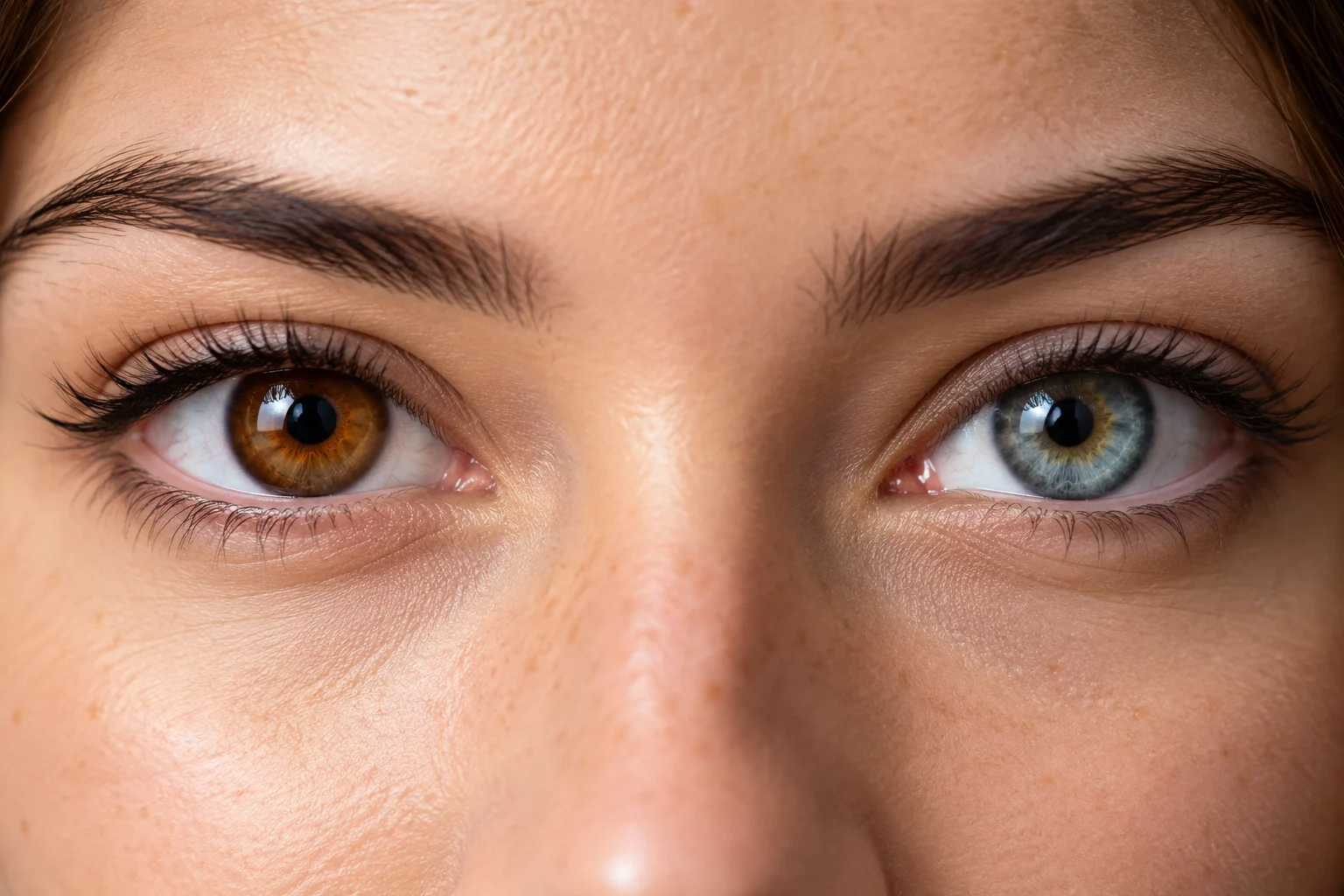
Have you ever noticed that someone has two different coloured eyes? Or perhaps one eye appears slightly different in colour from the other? This difference in eye colour is known as heterochromia.
Heterochromia occurs when the colour of the two eyes is different, when part of one iris has a different colour, or when the colour pattern within the same iris varies. It can be present from birth or develop later in life.
In many cases, heterochromia is simply a variation in pigmentation and does not affect vision. However, a change in eye colour that develops later should be assessed because it can sometimes be associated with an eye condition, injury, inflammation, or certain medications.
At Eyesight.sg, our optometrists provide comprehensive eye examinations to assess vision and eye health. If you have noticed a difference or change in your eye colour, an examination can help determine whether further assessment may be appropriate.
What Is Heterochromia?
Heterochromia is a difference in the colour of the iris, the coloured part of the eye surrounding the pupil.
Eye colour is largely determined by the amount and distribution of melanin within the iris. Differences in pigmentation can result in brown, blue, green, hazel, or other variations in eye colour.
Heterochromia can appear in different ways. The main types include:
- Complete heterochromia: One eye has a different colour from the other.
- Sectoral or partial heterochromia: A section of one iris has a different colour from the rest of the same iris.
- Central heterochromia: A different colour appears around the pupil, creating a ring-like pattern within the iris.
The appearance of heterochromia can vary significantly from person to person.
Is Heterochromia a Disease?
Not necessarily.
Heterochromia itself is a description of a difference in iris colour rather than a disease. Some people have had different coloured eyes since birth and have no associated eye problems.
However, if the difference in colour develops later in life or changes noticeably over time, it is worth having your eyes assessed. Changes in iris appearance can occasionally be associated with an underlying eye condition.
A comprehensive eye examination allows an optometrist to assess your vision and examine different structures of the eye. Eyesight.sg's comprehensive eye examinations include assessments such as vision and prescription checks, anterior eye examination, retinal imaging, eye pressure checks, and other tests where appropriate.
What Causes Different Coloured Eyes?
There are several possible reasons why a person may have different coloured eyes.
1. It May Be Present From Birth
Some people are born with heterochromia. In these cases, the difference in pigmentation may remain unchanged throughout life.
When a person has had different coloured eyes since childhood and there are no other symptoms or changes, it may simply be a natural variation in iris pigmentation.
However, if you are unsure whether the difference has always been present, an eye examination can provide reassurance and help assess your overall eye health.
2. Genetics Can Play a Role
Eye colour is influenced by genetics, and differences in pigmentation can sometimes run in families.
The amount and distribution of melanin in the iris contribute to the colour we see. Variations in these factors can result in different eye colours or patterns.
Genetic differences can also contribute to other variations in how the eyes appear, so a person's eye colour does not always fit neatly into categories such as brown, blue, or green.
3. An Eye Injury May Cause a Change
An injury involving the eye can sometimes affect the iris and alter its appearance.
If one eye changes colour following an injury, it should be assessed by an eye care professional. This is particularly important if the colour change is accompanied by pain, redness, blurred vision, sensitivity to light, or other visual changes.
An eye conditions assessment can help evaluate symptoms and determine whether further assessment may be needed.
4. Certain Eye Conditions Can Affect Iris Colour
In some cases, a change in iris colour may be associated with an underlying eye condition.
This does not mean that every person with different coloured eyes has an eye disease. However, a newly developed difference in eye colour should not automatically be assumed to be harmless.
Your optometrist can examine the eye and consider your symptoms, medical history, and any other changes in vision or eye appearance.
5. Some Medications May Affect Eye Colour
Certain medications can affect the pigmentation of the iris in some people.
If you notice a change in the colour of one or both eyes after starting a new medication, let your healthcare provider or optometrist know. Do not stop prescribed medication without speaking with the healthcare professional who prescribed it.
Can Heterochromia Affect Your Vision?
Heterochromia itself does not necessarily cause poor vision.
A person can have two different coloured eyes and still have normal visual acuity. The important consideration is whether the difference in colour is simply a long-standing characteristic or whether it has developed alongside other changes.
If you experience blurred vision, eye pain, redness, increased sensitivity to light, or another change in your eyesight, a comprehensive eye examination can help identify possible causes.
Eyesight.sg provides eye examinations in Singapore for children and adults, with assessments tailored to individual visual and eye health needs.
When Should You Have Different Coloured Eyes Checked?
If your eyes have always been different colours and there are no other symptoms, heterochromia may simply be a natural characteristic.
However, you should arrange an eye examination if you notice:
- A new or sudden change in eye colour
- A gradual change in the colour of one eye
- Eye pain or discomfort
- Persistent redness
- Blurred or reduced vision
- Increased sensitivity to light
- Changes in the appearance of the pupil
- A difference in eye colour following an injury
- Other new or unexplained changes in your eyes
A change that develops later in life deserves particular attention because the cause may need to be investigated.
How Is Heterochromia Diagnosed?
Heterochromia can often be identified simply by looking at the eyes. However, an eye examination may be recommended to determine whether there is an underlying reason for the difference.
During an examination, your optometrist may assess:
- Visual acuity
- Eye pressure
- The front of the eye
- The iris and pupil
- The cornea
- The retina
- Overall eye health
Additional tests may be recommended depending on your symptoms and examination findings.
For example, Eyesight.sg offers retinal imaging as part of its eye examination services, where appropriate.
Does Heterochromia Need Treatment?
If heterochromia is simply a natural variation that does not affect eye health or vision, treatment may not be necessary.
If the difference in eye colour is associated with another eye condition, treatment will depend on the underlying cause rather than the colour difference itself.
This is why an examination can be useful when the change is new or accompanied by other symptoms. Identifying the reason for the change is more important than trying to alter the appearance of the iris.
Can Children Have Different Coloured Eyes?
Yes. Children can have different coloured eyes, including differences that are present from birth.
However, parents should pay attention to changes that develop as the child grows. A new difference in eye colour, particularly if accompanied by redness, discomfort, light sensitivity, or changes in vision, should be discussed with an eye care professional.
Regular children's eye examinations can also help monitor vision as the child's eyes develop.
Eyesight.sg provides myopia management and children's eye care, with assessments designed to monitor children's vision and address changes in eyesight.
Is Central Heterochromia the Same as Having Two Different Coloured Eyes?
Not exactly.
With complete heterochromia, the two eyes have noticeably different overall colours.
With central heterochromia, the difference occurs within the same iris. For example, a person may have a lighter or darker ring around the pupil compared with the outer part of the iris.
These patterns are variations in how pigmentation is distributed within the iris.
Can Eye Colour Change Naturally With Age?
Eye appearance can change for different reasons throughout life, but a noticeable change in the colour of one eye should not automatically be considered a normal part of ageing.
If you notice that one eye has become lighter or darker than it was previously, particularly if the change is new or progressive, arrange an eye examination.
Your optometrist can assess whether the change appears to be related to pigmentation or whether there are other findings that require further investigation.
What Is the Difference Between Heterochromia and Colour Vision Deficiency?
Heterochromia and colour vision deficiency are completely different. Heterochromia refers to a difference in the pigmentation or colour of the iris. Colour vision deficiency refers to difficulty distinguishing certain colours.
A person can have heterochromia and normal colour vision. Similarly, someone with colour vision deficiency does not necessarily have different coloured eyes.
Eyesight.sg provides colour vision testing to assess how accurately a person can distinguish between colours. The test can help identify colour vision deficiencies and may be useful for school screening, occupational requirements, or individuals who notice difficulty distinguishing certain colours.
Can Contact Lenses Change the Appearance of Eye Colour?
Yes. Coloured contact lenses can temporarily change the apparent colour of the eyes.
However, coloured contact lenses are still contact lenses and need to be fitted and used appropriately. They should not be treated simply as a cosmetic accessory without considering eye health, lens fit, hygiene, and suitability.
If you are considering contact lenses, an appropriate contact lens examination can assess your eyes and contact lens requirements. Eyesight.sg provides contact lens examinations and fitting services as part of its optometry care.
When Should You Seek Urgent Eye Care?
A change in eye colour by itself does not necessarily indicate an emergency. However, sudden changes accompanied by significant symptoms should be assessed promptly.
Seek appropriate urgent eye care if you experience sudden vision loss, severe eye pain, significant redness, sudden changes in the appearance of the eye, or other acute visual symptoms.
Do not continue wearing contact lenses if they are causing significant discomfort, redness, or visual changes until you have received appropriate advice.
Understanding Your Eye Colour and Eye Health
Having different coloured eyes can be a natural and harmless variation in pigmentation. For some people, heterochromia has been present since birth and does not affect their vision.
However, a new or changing difference in eye colour should be assessed, particularly when it occurs alongside pain, redness, blurred vision, light sensitivity, or another change in the eye.
At Eyesight.sg, our optometrists provide comprehensive eye examinations and assessments for a range of vision and eye health concerns. If you have noticed a change in your eye colour or are concerned about another change in your eyes, a professional examination can help determine whether further assessment is needed.
Book an eye examination with Eyesight.sg to discuss your concerns and have your vision and eye health assessed.
Frequently Asked Questions on Heterochromia
Q1. What is it called when someone has two different coloured eyes?
A: The condition is called heterochromia. It occurs when the two eyes have different colours or when there are different colour patterns within the same iris.
Q2. Is heterochromia dangerous?
A: Heterochromia itself is not necessarily harmful. Some people have had it since birth without any associated vision or eye health problems. However, a new change in eye colour should be assessed to determine whether there is an underlying cause.
Q3. Can heterochromia affect vision?
A: Heterochromia does not necessarily affect vision. A person can have different coloured eyes and normal eyesight. If you also experience blurred vision, pain, redness, or other visual changes, an eye examination is recommended.
Q4. Can your eyes change colour later in life?
A: A noticeable change in eye colour can occur for different reasons, but a new or progressive change should be assessed rather than assumed to be a normal change with age.
Q5. Can children have heterochromia?
A: Yes. Some children are born with different coloured eyes or develop differences in iris pigmentation. If the difference is new or accompanied by other eye or vision changes, an eye examination can help determine whether further assessment is needed.
Q6. Is heterochromia the same as colour blindness?
A: No. Heterochromia refers to a difference in the colour or pigmentation of the iris, while colour vision deficiency affects a person's ability to distinguish certain colours. They are separate conditions.


Your Vision, Our Priority
At Eyesight.sg, we provide comprehensive eye care, from routine check-ups to advanced solutions. Our services are delivered by trusted optometrists across Singapore. Call us to schedule an appointment for your spectacles, contact lenses, or specialist lens needs. You can also drop by any time to explore our wide range of designer spectacle frames and sunglasses.

Why Choose Eyesight.sg?
- Experienced & Certified Optometrists
- Advanced Diagnostic Technology
- Personalised Care for All Ages
- Multiple Locations Across Singapore

Ready for Better Vision? We’re Here for You at Eyesight.sg.
West Mall Branch
Address: West Mall Shopping Centre, 1 Bukit Batok Central, #04-05, Singapore 658713
Phone: +65 6792 5733
Email: hello@eyesight.sg
Mon–Sun: 11am–9 pm
Tampines Branch
Address: 827 Tampines Street 81, #01-146, Singapore 520827
WhatsApp: +65 9824 1607
Email: hello@eyesight.sg
Mon–Sun: 11am–9 pm
Potong Pasir Branch
Address: 51 Upper Serangoon Rd, #01-07 The Poiz Centre, Singapore 347697
WhatsApp: +65 8809 5996
Email: hello@eyesight.sg
Mon–Sun: 11am–9 pm


© 2026 Eyesight.sg | All Rights Reserved | Privacy Policy | Digital Marketing by Remedo