
What Eye Disorders Can Cause Blindness?
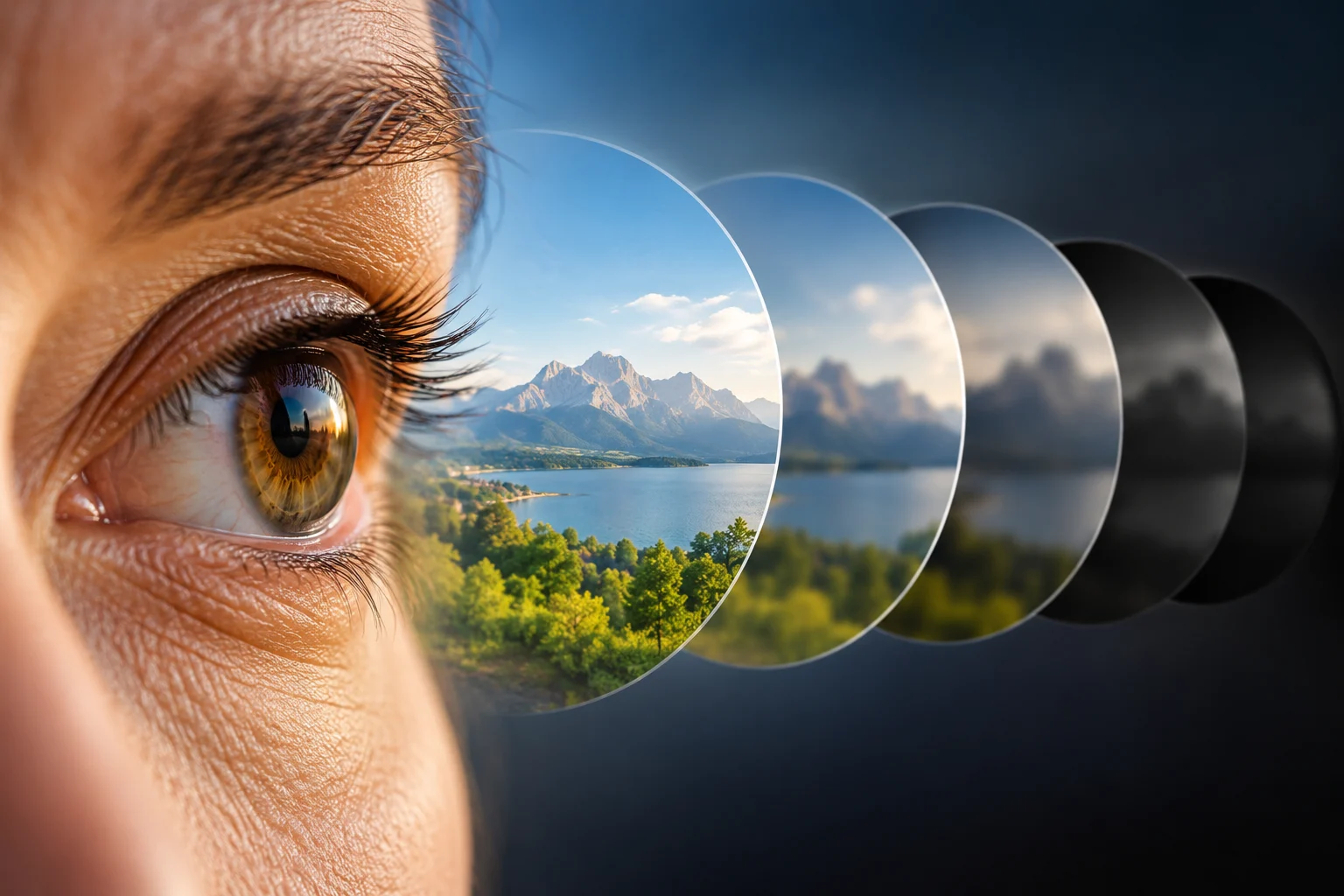
Vision loss can happen for many different reasons, and some eye disorders can cause severe or permanent vision loss if they are not detected and managed appropriately. What makes some of these conditions particularly concerning is that they may develop gradually, with few noticeable symptoms in their early stages.
Conditions such as glaucoma, diabetic retinopathy, age-related macular degeneration, cataracts, retinal disorders, and retinal detachment can all affect vision. The extent and pattern of vision loss vary depending on the condition, its severity, and how quickly it is identified and treated.
At Eyesight.sg, comprehensive eye examinations include assessments of vision and eye health, with diagnostic tests that can help identify changes associated with conditions affecting the retina, optic nerve, and other parts of the eye.
What Does Blindness Mean?
Blindness does not always mean complete absence of vision.
Vision loss exists on a spectrum. Some people may have reduced central vision, while others may lose peripheral vision or have difficulty seeing in low-light conditions. Severe eye disease can eventually lead to profound or complete loss of vision.
The effect depends on which part of the eye is affected.
For example:
- Damage to the optic nerve can affect the transmission of visual information to the brain.
- Damage to the retina can interfere with the eye's ability to detect light and form images.
- Problems affecting the lens can make vision increasingly cloudy or blurred.
- Conditions affecting the macula can particularly affect detailed central vision.
Understanding the underlying cause is important because some forms of vision loss can be managed or slowed when detected early.
1. Glaucoma
Glaucoma refers to a group of eye diseases that damage the optic nerve. The optic nerve carries visual information from the eye to the brain.
Glaucoma is particularly concerning because it can develop without noticeable symptoms during its early stages. As damage progresses, blind spots may develop in the visual field. Without appropriate management, the damage can become permanent and may lead to severe vision loss.
Risk factors can include:
- Increasing age
- Family history of glaucoma
- High myopia
- Previous eye injury
- Long-term steroid use
- Certain medical conditions
Regular glaucoma screening can include eye pressure measurement, optic nerve assessment, visual field testing, and imaging where appropriate.
Importantly, glaucoma-related optic nerve damage cannot generally be reversed. Early detection and appropriate management can help slow or prevent further damage.
2. Diabetic Retinopathy
People with diabetes can develop diabetic retinopathy, a condition affecting the blood vessels in the retina.
High blood sugar levels can damage these small blood vessels. In the early stages, diabetic retinopathy may not cause noticeable symptoms. As the condition progresses, bleeding, fluid leakage, and abnormal blood vessel growth can interfere with vision.
Possible symptoms include:
- Blurred vision
- Dark spots or floaters
- Changes in vision
- Difficulty seeing clearly
Regular diabetic eye examinations are important because retinal changes may be detected before significant vision loss occurs.
Eyesight.sg provides diabetic eye disease assessment and management, including monitoring for diabetic retinopathy and related retinal changes.
3. Age-Related Macular Degeneration
Age-related macular degeneration (AMD) affects the macula, the central part of the retina responsible for detailed vision.
AMD can affect activities that require clear central vision, including:
- Reading
- Recognising faces
- Driving
- Seeing fine details
People may notice blurred or distorted central vision, or straight lines may appear wavy.
AMD is one of the important causes of vision loss among older adults. Eyesight.sg includes macular degeneration among the eye diseases it assesses and manages.
Early assessment can help determine the type and extent of macular changes and whether monitoring or further management is required.
4. Cataracts
A cataract occurs when the natural lens inside the eye becomes cloudy.
Cataracts commonly develop with age and can gradually cause:
- Blurred or hazy vision
- Increased glare
- Difficulty seeing at night
- Halos around lights
- Faded-looking colours
- Difficulty reading or recognising faces
Cataracts are an important cause of vision impairment. However, unlike some forms of irreversible optic nerve or retinal damage, vision affected by cataracts can often be restored through cataract surgery when appropriate.
Eyesight.sg provides cataract surgery co-management services and can assess patients who may require further cataract evaluation.
5. Retinal Detachment
A retinal detachment occurs when the retina separates from its normal position inside the eye.
This is an eye emergency because the retina needs to remain properly positioned to function correctly.
Warning signs can include:
- A sudden increase in floaters
- Flashes of light
- A dark shadow in the vision
- A curtain-like area moving across the field of vision
- Sudden changes in vision
Eyesight.sg identifies retinal detachment as a medical emergency when symptoms such as flashes or vision loss occur.
If these symptoms appear suddenly, urgent medical assessment is important rather than waiting for a routine eye examination.
6. Retinal Diseases
The retina is the light-sensitive tissue at the back of the eye. Several conditions can affect the retina and potentially cause significant vision loss.
These include diabetic retinopathy, macular degeneration, retinal detachment, and other retinal disorders.
Because retinal problems can sometimes develop before symptoms become obvious, retinal imaging and other assessments may be included during a comprehensive eye examination when clinically appropriate.
7. Retinitis Pigmentosa
Retinitis pigmentosa (RP) is a group of inherited retinal disorders that can progressively affect vision.
One of the early symptoms can be difficulty seeing in low-light conditions or at night. Peripheral vision may also gradually become restricted. Eyesight.sg notes retinitis pigmentosa as one possible cause of night blindness.
The course of RP varies between individuals, so appropriate eye examinations and specialist assessment are important for understanding the condition and monitoring changes.
8. Other Conditions Can Also Cause Serious Vision Loss
The disorders above are not the only conditions that can threaten vision.
Other problems involving the retina, optic nerve, cornea, blood vessels, or other eye structures can also cause significant visual impairment.
For example, severe eye trauma, certain inflammatory conditions, retinal vascular problems, and some inherited eye disorders may affect vision.
This is one reason why a comprehensive eye examination is different from simply checking whether you can read letters on an eye chart.
Can Eye Disorders Cause Blindness Without Symptoms?
Yes.
Some serious eye conditions can develop gradually without obvious symptoms, particularly during their early stages.
Glaucoma and diabetic retinopathy are examples where significant changes can occur before a person notices substantial vision problems.
This is why waiting until your eyesight becomes noticeably worse is not always advisable.
A comprehensive eye examination can assess visual acuity, eye pressure, the retina, and other aspects of eye health. Retinal imaging and additional testing may be recommended depending on your age, symptoms, risk factors, and examination findings.
Who Is More at Risk of Serious Vision Loss?
The risk of certain eye disorders increases with age, but serious eye conditions can affect people at different stages of life.
You may need closer monitoring if you have factors such as:
- A family history of eye disease
- Diabetes
- High myopia
- Previous eye injury
- High eye pressure
- Certain medications
- A history of eye surgery
- Previous retinal problems
Having a risk factor does not mean that you will develop an eye disorder. However, it may mean that regular monitoring is particularly important.
How Can Vision Loss Be Detected Early?
Regular eye examinations are one of the most useful ways to monitor your vision and eye health.
Depending on your needs, an examination may include:
- Visual acuity testing
- Refraction assessment
- Eye pressure measurement
- Retinal imaging
- Optic nerve assessment
- Visual field testing
- Eye muscle assessment
- Examination of the front and back of the eye
Eyesight.sg's comprehensive eye examination combines several assessments to evaluate both vision and eye health.
Can Blindness From Eye Disease Be Prevented?
Not every cause of blindness can be prevented, and some inherited or age-related conditions cannot be completely avoided.
However, early detection and appropriate management can help reduce the risk of severe vision loss from several eye diseases.
For example, early detection of glaucoma allows treatment and monitoring to begin before more optic nerve damage occurs. Similarly, regular diabetic eye assessments can help identify retinal changes before they cause significant vision problems.
Protecting your eyes from injury, managing conditions such as diabetes, following prescribed treatment, and attending recommended eye examinations can all contribute to maintaining eye health.
When Should You Seek Urgent Eye Care?
Certain changes in vision should not wait for a routine appointment.
Seek urgent eye care if you experience:
- Sudden loss or significant reduction of vision
- A sudden increase in floaters
- Flashes of light
- A curtain or shadow across your vision
- Severe eye pain
- Sudden significant redness with vision changes
- A sudden change in the appearance of your eye
- New symptoms following significant eye trauma
A sudden change in vision can sometimes indicate a retinal or other eye emergency.
Protecting Your Vision Starts With Regular Eye Care
Several eye disorders can cause severe or permanent vision loss, including glaucoma, diabetic retinopathy, macular degeneration, cataracts, retinal detachment, and inherited retinal disorders. However, the effect on vision varies between conditions, and not every diagnosis results in blindness.
Many eye diseases can develop quietly, which is why regular eye examinations remain important even when your vision appears normal. Early detection can provide an opportunity for appropriate monitoring, treatment, or referral before further damage occurs.
At Eyesight.sg, our eye care services include comprehensive eye examinations and the assessment and management of conditions such as glaucoma, cataracts, macular degeneration, and diabetic eye disease.
If you have noticed a change in your vision or have risk factors for eye disease, book a comprehensive eye examination with Eyesight.sg to have your vision and eye health assessed.
Frequently Asked Questions on Eye Disorders Which Cause Blindness
Q1. What eye disease causes the most permanent vision loss?
A: Several eye disorders can cause permanent vision loss, including glaucoma, diabetic retinopathy, macular degeneration, retinal detachment, and certain inherited retinal diseases. The impact depends on the condition, its severity, and how early it is detected and managed.
Q2. Can glaucoma cause blindness?
A: Yes. Untreated glaucoma can progressively damage the optic nerve and cause permanent vision loss. Because early glaucoma may have few noticeable symptoms, regular glaucoma screening can be important for people at increased risk.
Q3. Can diabetes cause blindness?
A: Diabetes can cause diabetic retinopathy, which damages blood vessels in the retina. If it becomes advanced and is not appropriately managed, it can cause significant vision loss. Regular diabetic eye examinations can help detect retinal changes early.
Q4. Can cataracts make you blind?
A: Cataracts can cause severe vision impairment if they become advanced and are not treated. However, cataract-related vision loss can often be treated with cataract surgery when appropriate.
Q5. Can blindness happen suddenly?
A: Yes. Sudden vision loss can occur with certain serious eye conditions and requires urgent assessment. A sudden increase in floaters, flashes, or a curtain-like shadow across your vision can be warning signs of retinal problems and should be assessed urgently.
Q6. Can regular eye tests prevent blindness?
A: Eye examinations cannot prevent every cause of blindness, but they can help detect certain eye diseases before significant symptoms develop. Early detection allows appropriate monitoring, treatment, or referral where available and may help reduce the risk of further vision loss.


Your Vision, Our Priority
At Eyesight.sg, we provide comprehensive eye care, from routine check-ups to advanced solutions. Our services are delivered by trusted optometrists across Singapore. Call us to schedule an appointment for your spectacles, contact lenses, or specialist lens needs. You can also drop by any time to explore our wide range of designer spectacle frames and sunglasses.

Why Choose Eyesight.sg?
- Experienced & Certified Optometrists
- Advanced Diagnostic Technology
- Personalised Care for All Ages
- Multiple Locations Across Singapore

Ready for Better Vision? We’re Here for You at Eyesight.sg.
West Mall Branch
Address: West Mall Shopping Centre, 1 Bukit Batok Central, #04-05, Singapore 658713
Phone: +65 6792 5733
Email: hello@eyesight.sg
Mon–Sun: 11am–9 pm
Tampines Branch
Address: 827 Tampines Street 81, #01-146, Singapore 520827
WhatsApp: +65 9824 1607
Email: hello@eyesight.sg
Mon–Sun: 11am–9 pm
Potong Pasir Branch
Address: 51 Upper Serangoon Rd, #01-07 The Poiz Centre, Singapore 347697
WhatsApp: +65 8809 5996
Email: hello@eyesight.sg
Mon–Sun: 11am–9 pm


© 2026 Eyesight.sg | All Rights Reserved | Privacy Policy | Digital Marketing by Remedo